







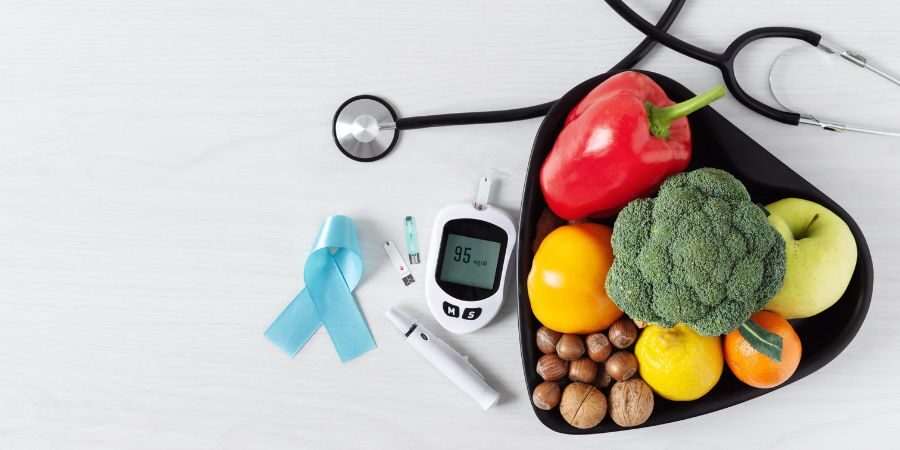


DIABETES – IN A BITTER PILL!
27 June 2023
June 27 is World Diabetes Day. Experts emphasize that the number of people diagnosed with this disease is growing every year. What should we know about it? Diabetes is a group of metabolic diseases. It is characterized by increased blood glucose levels (hyperglycemia). Hyperglycemia is caused by abnormalities in the secretion or action of insulin (a hormone produced by the pancreas).
Types of diabetes
- Type 1 diabetes – Insulin deficiency is its cause. Diabetics require insulin treatment.
- Type 2 diabetes – characterized by impaired insulin action or secretion. Treatment primarily involves dietary management and physical activity. In specific cases, medications or external insulin may be necessary. It most often occurs in people between 45 and 64 years of age. The disease is increasingly affecting young people, even those as young as 18.
- Gestational diabetes – appears during pregnancy, usually disappears after the baby is born.
Symptoms of diabetes
Diabetes often has no symptoms, so the best way to confirm whether you have the disease is to test your glucose levels. However, there are symptoms that can be a warning sign. These include:
- excessive thirst, dry mouth
- frequent urination
- skin problems
- vision problems
- Irritation
- overwork
Blood glucose test – when to do it?
It is always worth checking your blood sugar level, but especially in some cases:
- over 40, overweight or obese
- when there is a family history of type 2 diabetes
- in pregnant women, between 24 and 28 weeks
Every healthy person over the age of 45 should have their blood sugar levels checked at least once every three years. Diabetics check their blood sugar levels at home using a glucometer, several times a day.
Where does diabetes come from?
Nearly 3 million people in Poland suffer from type 2 diabetes. More than half are undiagnosed. The most common causes of the disease include:
- overweight and obesity
- arterial hypertension
- stress
- bad eating habits
- sedentary lifestyle
Serious complications of diabetes
The most dangerous complications include:
- diabetic ketoacidosis
- hyperglycemia
- diabetic retinopathy leading to visual impairment and vision loss
- diabetic neuropathy, often leading to diabetic foot syndrome and limb amputation due to it
- cardiovascular diseases
Prevention of complications is primarily based on rapid diagnosis, education and selection of optimal treatment.
How to live with diabetes?
Diabetes is often an incurable disease. The good news is that you can learn to live with it by following a few important rules, including:
- healthy diet
- physical activity
- regular blood sugar testing
- taking care of your feet
- maintaining a healthy body weight
- taking recommended medications
- no addictions
Our partners


Who we are
In our work, we are guided by the idea of a family doctor who provides the patient with comprehensive care at all times, not only when they are ill. Our mission is to take care of the health of residents on a daily basis. We provide health education and promote prevention.
Copyright © Wrocław 2021 NZOZ Your Doctor Sp. z o. o. All Rights Reserved.
