









Keep an eye on diabetes!
8 March 2021
The program of extended specialist care for patients begins NZOZ Your Doctor suffering from diabetes. Under the contract with the National Health Fund, patients will be able to benefit from consultations, examinations and ophthalmological procedures, including laser therapy. The project will be implemented in Kobierzyce ClinicIts purpose is to prevent severe complications of diabetes.
Statistics show that most people with severe blood sugar fluctuations are at risk of serious eye diseases. Diabetes develops slowly, and if left untreated, it causes damage to key organs, such as the kidneys, heart, blood vessels, and eyes. In the visual organ, the retina, which is responsible for receiving and processing stimuli, is very susceptible to the effects of diabetes.
The most serious and at the same time the most common complication is Diabetic retinopathy, which is damage to the retina that can lead to vision loss. In addition, people with diabetes are more susceptible to cataracts and glaucoma. The risk of glaucoma is almost 40% higher in diabetics than in healthy people. The risk of developing cataracts increases to 60%.
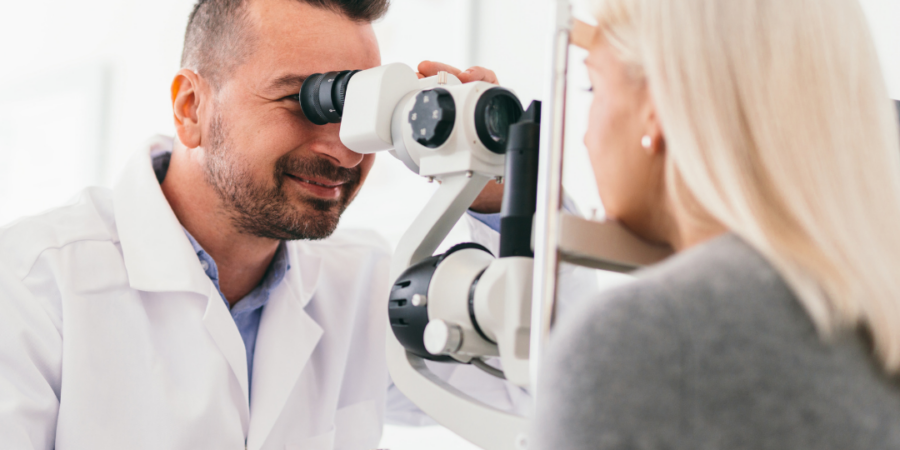
"That is why people diagnosed with diabetes should be under the constant supervision of not only a diabetologist, but also an ophthalmologist." - says Dr. n. med. Michał Ruta , who will examine and laser patients qualified for the program KEEP AN EYE ON DIABETES. "The earlier diabetic changes in the retina are detected, the greater the chances of stopping them and maintaining proper visual acuity. This is extremely important for the quality of life of diabetic patients" – adds the co-author of the program Dr. Sebastian Floryn, deputy head of department Ophthalmology Department Military Clinical Hospital in Wrocław.
Patients NZOZ Your Doctorwho have been diagnosed with diabetes can apply for the program using HELPLINE 71 311 12 36.
Our partners


Who we are
In our work, we are guided by the idea of a family doctor who provides the patient with comprehensive care at all times, not only when they are ill. Our mission is to take care of the health of residents on a daily basis. We provide health education and promote prevention.
Copyright © Wrocław 2021 NZOZ Your Doctor Sp. z o. o. All Rights Reserved.
