







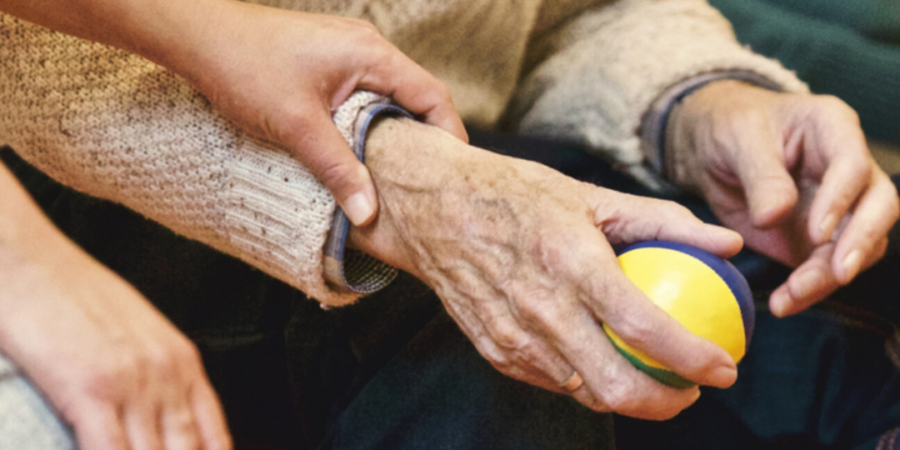


Senior under special supervision
20 March 2020
Information for seniors
Large crowds are an environment conducive to the spread of coronavirus and other droplet viruses.
If possible, limit your time in public places and ask your loved ones for help with everyday activities, such as shopping, getting medicines, and dealing with official matters and postal work.

Wash your hands often
Remember to wash your hands frequently with soap and water, and if this is not possible, disinfect them with alcohol-based liquids/gels (min. 60%). There is a risk of transmitting the virus from contaminated surfaces on your hands. Therefore, frequent hand washing reduces the risk of infection.
Avoid touching your eyes, nose and mouth
Hands touch many surfaces that may be contaminated with the virus. Touching your eyes, nose, or mouth with contaminated hands can transfer the virus from the surface to yourself.
Regularly wash or disinfect touch surfaces
Touch surfaces including desks, counters and tables, door handles, light switches, handrails must be wiped down regularly using water and detergent or disinfectant. All areas frequently used by household members should be thoroughly disinfected.
Disinfect your phone regularly and do not use it while eating meals.
Pathogenic microorganisms can easily accumulate on the surface of mobile phones. Disinfect your mobile phone regularly (e.g. with wet wipes soaked in disinfectant). Do not place your phone on the table or use it while eating.
Keep a safe distance from the interlocutor
You should keep a distance of at least 1-1.5 metres from a person who is coughing, sneezing or has a fever.
Use protective measures when sneezing and coughing
When coughing and sneezing, cover your mouth and nose with your bent elbow or tissue - throw the tissue into a closed bin as soon as possible and wash your hands with soap and water or disinfect them with alcohol-based agents (min. 60%). Covering your mouth and nose when coughing and sneezing prevents the spread of germs, including viruses.
Eat healthily and remember to hydrate your body
Eat a balanced diet. Avoid highly processed foods. Remember to eat at least 5 portions of fruit and vegetables every day. Hydrate your body properly. Drink about 2 liters of fluids every day (preferably water). Experience from other countries indicates that there is no need to stockpile food in case the coronavirus spreads.
Use proven sources of information about coronavirus
Anxiety is a natural reflex in the event of a new health threat. Use proven sources of knowledge based on scientific evidence, which are published on the websites of GIS and MZ. Scientific knowledge is the most effective tool in the fight against coronavirus.
Our partners


Who we are
In our work, we are guided by the idea of a family doctor who provides the patient with comprehensive care at all times, not only when they are ill. Our mission is to take care of the health of residents on a daily basis. We provide health education and promote prevention.
Copyright © Wrocław 2021 NZOZ Your Doctor Sp. z o. o. All Rights Reserved.
