








Hello school!
September 1, 2020
First bell or alarm bell?
The coronavirus-hit holidays are behind us, symbolized by the iconic photo of a crowded beach in Władysławowo, illustrating the absolute lack of social distancing during group recreation. What will symbolize the school year that is about to begin? We can still decide this by properly preparing children and young people for it. The shared experience of lockdown and remote learning has changed the minds of students and their parents. Never before has the traditional school year been so eagerly awaited as it is now. Now, however, the joy of going to school and meeting peers must be balanced with an awareness of the risks posed by resuming classes.
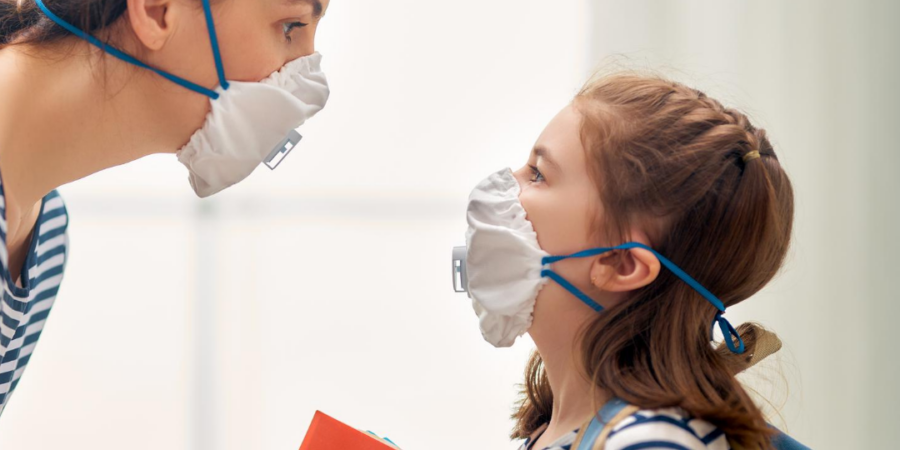
School supplies with a mask and disinfectant
Several months of appeals for frequent hand washing have had an effect. This summer, doctors have had significantly fewer reports of so-called "intestinal infections", and the sanitary services have recorded fewer cases of collective food poisoning. Since washing and disinfecting hands has become a habit in our everyday lives, we just need to transfer it to the school reality, as well as a greater distance between students. However, the word distance in this case does not only mean distance. Doctors pay attention to the behaviors of children and adolescents that can contribute to the spread of the virus. "Drinking from the same bottle or reaching for crisps from a shared package is a simple way to transfer not only the coronavirus, but all microorganisms that can cause diseases," says the head of NZOZ Twój Lekarz Mariola Madler Litera. The doctor emphasizes that limiting such behaviors will be especially important in late autumn, when the flu season begins.
Temperature under special supervision
Epidemiologists admit that the basic symptoms of influenza and COVID-19 are almost identical. Fever, muscle aches, shortness of breath, and breathing problems can occur with both infections. It can all start with a runny nose and malaise. That's why daily monitoring of your child is so important. "Since we can't distinguish between influenza and coronavirus infection without specialized laboratory tests, we must not expose others to a potential source of infection," urges Dr. Mariola Madler Litera. This is precisely why we shouldn't send children to school with a runny nose or low-grade fever. However, it's good practice to take your child's temperature daily before they leave for school," adds the doctor.
A vaccine against viruses
Before scientists test the coronavirus vaccine and it is approved for sale, it is worth considering vaccination against influenza, experts appeal. They add that taking the vaccine does not completely protect against the disease, but makes its course milder and does not cause serious complications. According to epidemiological data, about 4 million Poles fall ill with influenza each year.
Until now, we have not been very keen on vaccinating against this disease. Last season, just over 4 percent of the population took the vaccine. By comparison, in the UK, the figure was over 75 percent.
“This is a good time to change attitudes towards flu vaccinations,” notes Dr. Mariola Madler Litera, praising the decision to fully refund the vaccine for people over 75 years of age. Seniors are the group most at risk of complications related to flu and severe COVID-19. That is why in the fall we will have to take special care of their safety. Who knows, maybe we should limit direct contacts then, so that viruses “brought” from school by grandchildren do not threaten the health and lives of grandparents? After all, that is what the Internet and new ways of communication are for.
Our partners


Who we are
In our work, we are guided by the idea of a family doctor who provides the patient with comprehensive care at all times, not only when they are ill. Our mission is to take care of the health of residents on a daily basis. We provide health education and promote prevention.
Copyright © Wrocław 2021 NZOZ Your Doctor Sp. z o. o. All Rights Reserved.
